
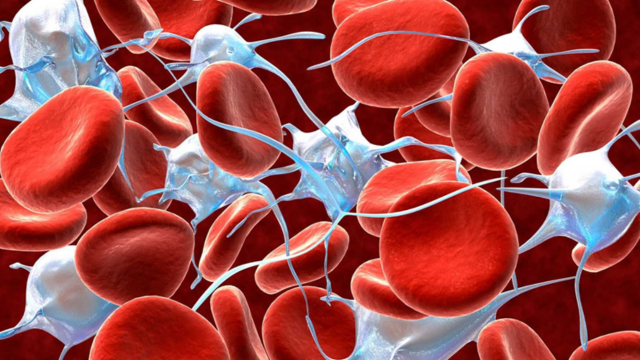
Our diagnostic panels offer comprehensive genetic testing for various hematopoietic defects and hematologic system disorders, including erythrocyte defects, anemias, and coagulation disorders. We provide tests for conditions like megaloblastic anemias, Fanconi anemia, and other bone marrow failure syndromes. These panels help physicians make early diagnoses for better medical care and treatment planning, including transplantation strategies.

Cardiac genetic testing is crucial for identifying inherited heart conditions that can lead to life-threatening arrhythmias, cardiomyopathies, and other heart disorders. Our panels cover hypertrophic cardiomyopathy, dilated cardiomyopathy, and arrhythmogenic right ventricular dysplasia, among others, providing a deeper understanding of the genetic causes of cardiac diseases.

Ciliopathies are a group of disorders caused by defects in the structure or function of cilia, microscopic hair-like structures involved in cell signaling. These conditions can affect multiple organs, including the kidneys, liver, and brain. Our panels help in diagnosing polycystic kidney disease, Bardet-Biedl syndrome, and other ciliopathies, enabling early intervention and management.
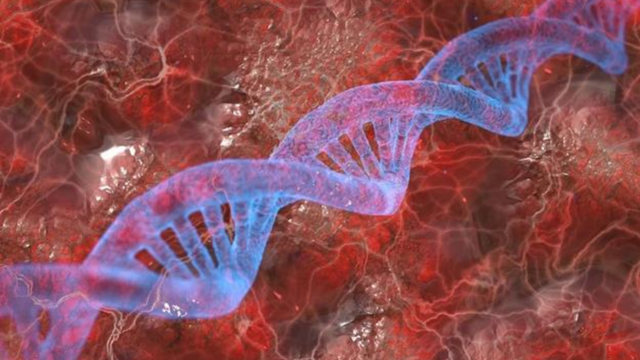
Genetic testing for connective tissue diseases such as Marfan syndrome, Ehlers-Danlos syndrome, and Loeys-Dietz syndrome can identify mutations that impact collagen and elastin production, leading to tissue fragility, vascular complications, and skeletal abnormalities. Our testing panels allow for early detection and management of these hereditary conditions.
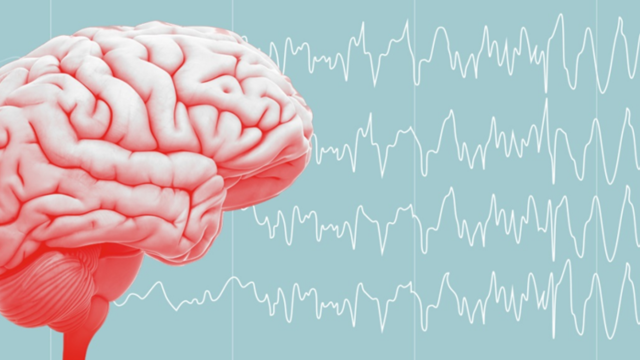
Genobal offers specialized panels for identifying genetic causes of epilepsy and brain development disorders. These include genes related to idiopathic epilepsy, developmental and epileptic encephalopathies, and conditions like tuberous sclerosis. Our panels assist in providing targeted treatments and improving patient outcomes, especially for pediatric patients with early-onset epilepsy.
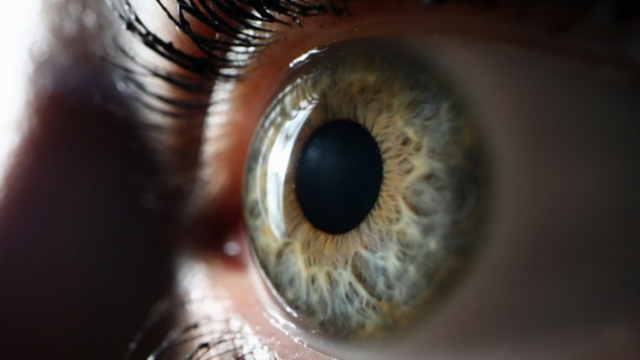
Our comprehensive genetic tests for eye diseases cover disorders such as retinitis pigmentosa, congenital cataracts, and macular degeneration. These panels provide insights into hereditary causes of vision impairment, allowing for early diagnosis and genetic counseling for patients and families affected by inherited eye conditions.

Genobal’s genetic panels for fertility issues assess both male and female infertility causes, including non-obstructive azoospermia, polycystic ovary syndrome (PCOS), and genetic causes of recurrent pregnancy loss. These tests help guide treatment options, including fertility preservation and assisted reproductive technologies (ART).
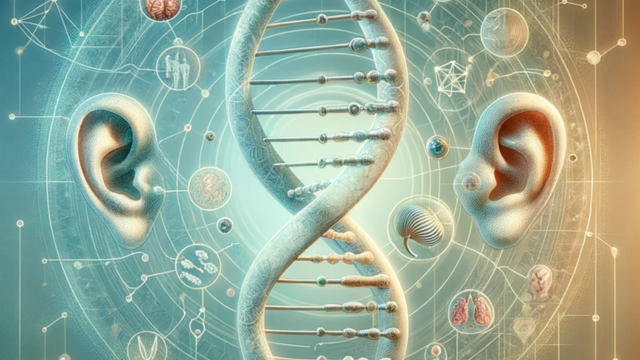
Our panels for genetic hearing loss test for mutations associated with non-syndromic and syndromic hearing impairments, such as Usher syndrome, enabling early detection and management. These tests are valuable for newborn screening and for individuals with a family history of hearing disorders.
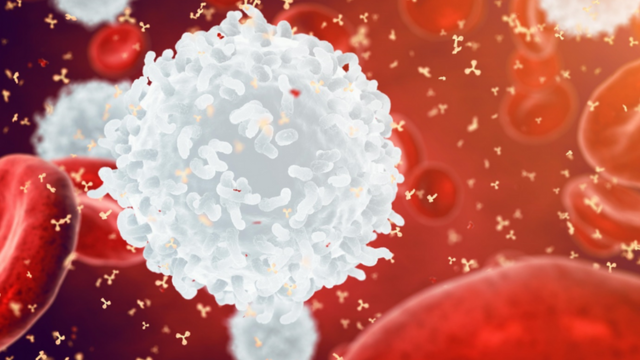
Our immune disorder panels provide insights into primary immunodeficiencies, autoimmune conditions, and autoinflammatory disorders, enabling targeted treatment strategies. We test for conditions like severe combined immunodeficiency (SCID) and X-linked agammaglobulinemia (XLA), helping clinicians diagnose and manage complex immune disorders early.
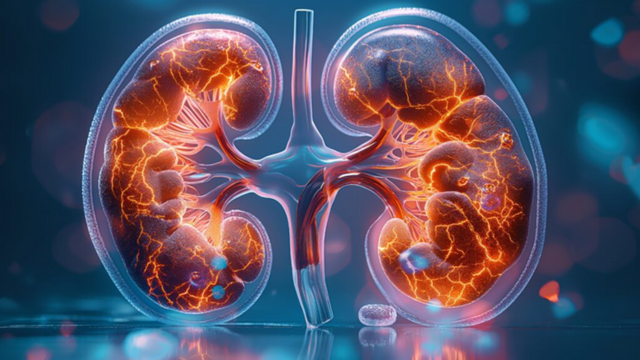
Genetic testing for kidney diseases identifies hereditary causes of polycystic kidney disease, nephrotic syndrome, and glomerulopathies. These panels aid in the early diagnosis and prevention of progressive kidney damage, offering crucial insights for treatment and management of renal conditions.

Our panels for genetic liver diseases cover conditions such as Wilson’s disease, hemochromatosis, and alpha-1 antitrypsin deficiency, providing essential information for diagnosing hereditary liver disorders. Early detection can help prevent severe liver damage and guide effective treatment strategies.
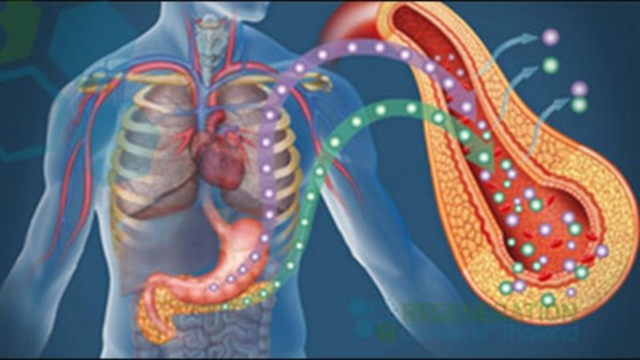
We offer testing for metabolic diseases and mitochondrial disorders, which are often inherited and can affect multiple systems in the body. Our panels include tests for conditions such as phenylketonuria (PKU), glycogen storage diseases, and mitochondrial myopathies, providing essential information for metabolic management and treatment.
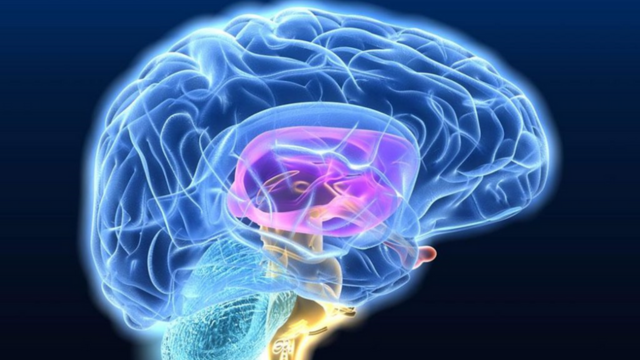
Our neurodegenerative disease panel covers conditions like Alzheimer’s disease, Parkinson’s disease, Huntington’s disease, and other disorders that cause the progressive degeneration of nerve cells. Genetic testing can provide early detection, allowing for better disease management and family planning.
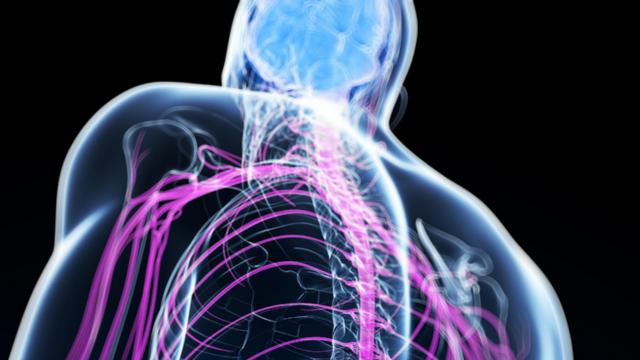
We offer comprehensive testing for neuromuscular diseases, including muscular dystrophies, spinal muscular atrophy (SMA), and Charcot-Marie-Tooth disease. These panels help in diagnosing disorders that lead to muscle weakness and degeneration, offering a foundation for early intervention and treatment.
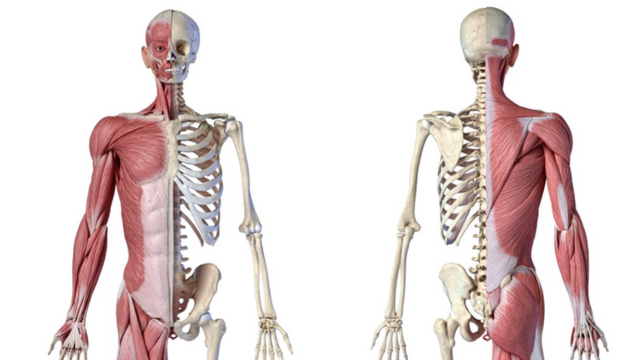
Our panels for skeletal disorders cover a wide range of conditions affecting bone development and integrity, such as osteogenesis imperfecta, achondroplasia, and hypophosphatasia. Genetic testing helps in early diagnosis, enabling tailored treatments and management strategies.
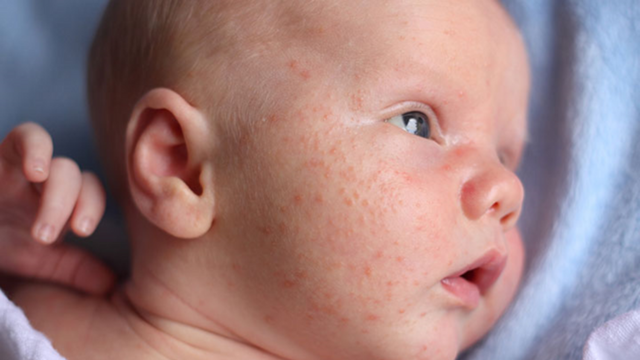
Our genetic panels for skin diseases help in diagnosing conditions like epidermolysis bullosa, psoriasis, and ichthyosis. These tests are essential for understanding hereditary skin conditions and planning effective treatment and management strategies.